

Author: admin
I May Need a Dental Filling, Which Dentist Can Help in Litchfield, MN?

When you need a dental filling, time is of the essence. When you delay in getting a cavity filled or a broken tooth restored, you risk further decay or damage that will only lead to more costly treatment down the road. The best course of action is to find a reliable dentist in your local area who can provide you with timely care.
If you’re looking for a dentist in Litchfield, our dental team is skilled in performing all types of dental fillings, from silver-colored fillings to those that blend in with the natural color of your teeth. We also have a welcoming office and friendly staff who are dedicated to your comfort.
To help you prepare for your procedure, below is information about what dental fillings entail as well as points to consider when seeking treatment.
What’s the Process of Getting a Dental Filling?
Any dental procedure can be nerve-racking. Understanding what the process entails can help you feel more prepared and know what questions to ask your dentist.
A dental filling procedure involves the following steps:
1. Examination: The dentist examines your teeth, determines whether a filling is needed, and talks you through your options. 2. Numbing: If you proceed with a filling, the dentist uses local anesthesia to make the area around your tooth feel numb, helping to maximize your comfort. 3. Decay removal: Any part of your tooth that has decay is removed to avoid spreading of the problem. 4. Cleaning: The next step is to clean and disinfect the tooth to get rid of harmful bacteria. 5. Placement of the filling: The dentist places the filling material inside the hole or compromised section of the tooth to restore its structure. 6. Curing: A blue curing light is used to harden the resin composite fillings (when the patient chooses that type of filling). 7. Smooth and polish: Any rough edges are smoothed out and the tooth is polished to help it blend in with surrounding teeth. 8. Bite test: The dentist has the patient bite down to ensure the filling properly aligns with other teeth; adjustments are made as needed.
What Types of Fillings Can I Choose From?
The dentist can recommend the type of filling that is best for your needs. The discussion will likely involve factors such as which tooth is being filled, how you want your filling to look, and your budget.
Here are common types of fillings to explore:
Amalgam: Made of a mixture of metals like silver, tin, copper, and mercury, amalgam fillings are known for their strength and durability. They are silver in color and can be especially helpful for molars, which are used the most for chewing.
Composite resin: These tooth-colored fillings can blend in seamlessly with your smile. They are made of a blend of plastic resin and fine glass particles. They are usually ideal for highly visible teeth, such as front teeth.
Glass ionomer: These fillings are made of a blend of acrylic and glass materials, and they slowly release fluoride over time, which is a unique benefit. While they are also tooth-colored, they may not look as natural or last as long as composite resin fillings. They’re often used in pediatric dentistry, for temporary fillings, and for fillings near the gum line.
Additionally, inlays and onlays (more extensive restorations than regular fillings) are often made of porcelain, gold alloys, or composite resin.
If you’re looking for a dentist, you’re already on the right track. When in doubt, it’s best to consult with a professional to see what types of dental issues you’re dealing with and how to best treat them.
What Kind of Litchfield Dentist Should I Look For?
When you spend less time driving to and from your dental office, it’s easier to fit appointments into your busy schedule. And when care is simpler to access, it’s easier to stay on top of your oral health, especially when follow-up visits are involved.
That’s why it’s important to find an experienced dentist near you who can meet your needs. You should look for a Litchfield dental office that offers:
- A convenient location
- Experienced dentists
- Attentive staff members
- A comfortable and welcoming office
- A diverse range of dental procedures to meet your long-term needs
Schedule an Appointment Today
Our team is ready to help with your dental filling so you can protect your teeth and your oral health. Call and schedule an appointment today!
What Are the Signs of Tooth Decay, and Which Dentist Can Help in Litchfield, MN?
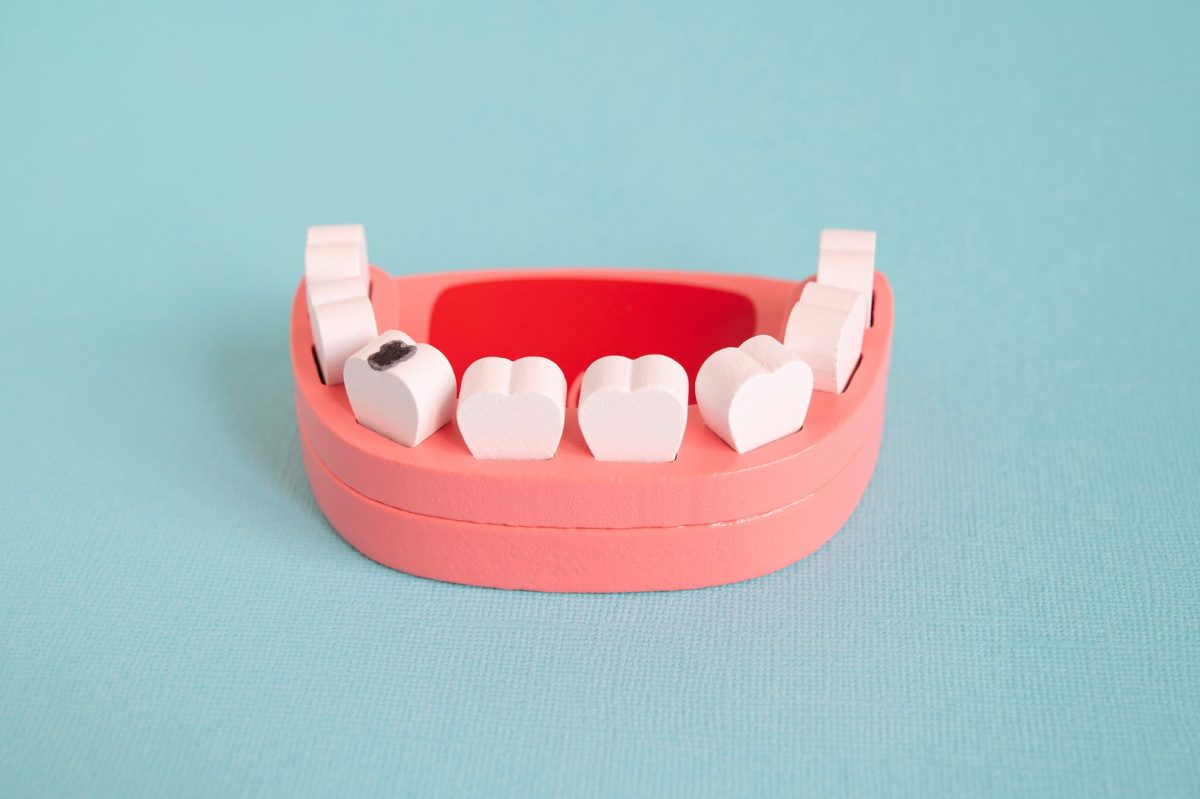
If you suspect there’s something wrong with your teeth or gums, it’s probably for a good reason—and it deserves *immediate* attention. Tooth decay can take many forms and range in severity, so there’s a variety of warning signs to watch out for.
You may have the early stages of a cavity requiring minimal treatment or you may already have a significant portion of your tooth impacted from decay, which means more extensive treatment will be needed. In both situations, it’s important to call a local dentist right away so you can minimize the impact of tooth decay on your oral health.
Tooth Decay Warning Signs
Explore the symptoms that may indicate you’re experiencing tooth decay.
Signs you can see
- Holes or deep pits in the surface of your tooth
- Stains on your tooth (i.e., black, brown, white)
- Puffy or bleeding gums
Signs you can feel
- Tooth pain or sensitivity
- Painful gums
- An uneven tooth surface (which you can feel with your tongue)
Other signs
- Bad breath
- A bad taste in your mouth
- Food continually getting stuck in the same spot of a tooth
Never minimize these warning signs when you see them. It’s always helpful to play it safe and consult with a dentist, especially since the consequences of untreated tooth decay can be serious and permanent.
A Dentist in Litchfield Can Make Care Easier to Access
Whether you’re going to need a simple filling or a more advanced treatment like a root canal, it can be helpful to see a reliable dentist right in your local area.
When your dental office is nearby, it becomes much easier to get in and out quickly for an appointment and access the immediate care you need. There are fewer barriers to treatment (like traffic and excessive time away from work), which means a smoother path to improved oral health.
Act Now—Schedule a Visit with a Dentist Near You!
Don’t delay and risk your tooth decay worsening. Take action now and consult with a Litchfield dentist from our office. Our team offers patient-centered, compassionate care and we’re ready to meet your needs. Schedule a consultation today!
I Think I Have a Cavity, Can I Get Treatment in Litchfield, MN?

Cavities might seem like a minor dental issue, but they’re actually a form of progressive tooth decay that can worsen quickly without treatment. What starts as a small area of decay in the enamel can advance deeper into the tooth, reaching the dentin and eventually the inner pulp. At that point, the rate of damage increases and the risk of complications grows significantly.
If you suspect something isn’t right with one of your teeth, it’s best to see a dentist as soon as possible. Finding a dentist in Litchfield near your home or workplace can make it much easier to get timely care—an important factor in protecting your long-term oral health.
Below is what you should understand about cavities, how to recognize them, and why prompt, local care matters.
Understanding Cavities
A cavity forms when the hard surface of a tooth develops a small hole or weakened area. This opening allows bacteria to penetrate deeper into the tooth structure. Cavities are often linked to frequent consumption of sugary or acidic foods and drinks, as well as a buildup of bacteria in the mouth.
Poor oral hygiene habits, such as inconsistent brushing and flossing, are among the most common contributors. However, some individuals may be more prone to tooth decay due to genetic factors or differences in enamel strength.
Common Warning Signs of a Cavity
Cavities don’t always cause noticeable discomfort right away, but there are several signs that may indicate a problem:
- Persistent tooth pain, especially when chewing
- Sensitivity to hot, cold, sweet, or acidic foods and drinks
- Favoring one side of your mouth while eating
- Visible pits, holes, or surface damage on a tooth
- Discoloration, including white, brown, or black spots or stains
Even if symptoms are mild, it’s important not to ignore potential warning signs. Early detection allows for simpler, less invasive treatment and helps preserve more of your natural tooth.
Why Early Treatment Is Important
When left untreated, a cavity can deepen and lead to more serious dental issues such as a dental infection, the weakening or breakage of your tooth, the spread of decay to surrounding teeth, or gum disease. Delaying care also increases the likelihood of needing a root canal, or losing the tooth altogether. The earlier you seek treatment, the earlier these issues can be spotted and stopped.
The Benefits of Seeing a Local Dentist in Litchfield
Having access to a nearby dental office makes it easier to stay on top of your oral health. When your dental office is conveniently located, you’re more likely to schedule visits promptly and follow through with recommended care.
A trusted dentist in Litchfield can:
- Evaluate your teeth and determine the extent of any decay
- Recommend the most appropriate treatment options based on your needs
- Perform treatment (such as fillings or crowns) during the visit or plan follow-up procedures as needed
- Help you navigate insurance coverage and create a practical treatment plan
Take the Next Step for Your Oral Health
Addressing a cavity early can save you from unnecessary discomfort, more complex procedures, and higher costs down the line. Timely treatment helps protect not just your teeth, but also your overall well-being.
If you’ve noticed any unusual symptoms—or you simply want peace of mind—don’t wait. Reach out to a Litchfield dentist from our office and schedule an appointment to keep your smile healthy and strong.
Why Are My Teeth Sensitive? Can a Local Dentist Help in Litchfield, MN?

Tooth sensitivity can interfere with activities that are supposed to bring you joy, like enjoying a meal with your family or grabbing a cup of coffee with a friend. You shouldn’t have to put up with this type of pain and discomfort—there are treatments that can alleviate your problem.
A Litchfield dentist can evaluate your teeth, determine the cause of your sensitivity, and provide you with treatment.
How Worn-Down Enamel Causes Sensitivity
Tooth sensitivity is commonly caused by the wearing down of your enamel, or the outer protective layer of your tooth. This erosion allows the inside of your tooth (where your nerves are) to be exposed to outside stimuli, such as food or drinks that are hot, cold, sugary, or acidic. Sensitive teeth can even be triggered by cold air.
There are a number of factors that can cause enamel erosion, such as buildup of bacteria from poor oral hygiene, excessive consumption of acidic foods, teeth grinding (bruxism), aggressive brushing, and more. However, worn-down enamel isn’t the only cause of sensitive teeth, so it’s important to consider all the possible factors.
Common Reasons for Tooth Sensitivity
Some of the many causes of tooth sensitivity include:
- Enamel erosion
- Cavities or other tooth decay
- Receding gums
- Cracked teeth
- Broken fillings
As soon as you begin feeling symptoms of sensitivity, it’s important to reach out to a dentist right away. The sooner you get treatment, the faster you can resolve the problem and stop it from turning into more complex and costly issues.
Your dentist may recommend treatments such as fluoride treatments, desensitizing products, or procedures that help restore the structure of your tooth like fillings or crowns.
The Convenience of Having a Trusted Dentist Nearby
When you have a reliable dental care team just a quick car ride away, fast and effective dental care becomes so much easier. You can get in and out of the office quickly for checkups and follow-up care, which means treatment becomes more seamless and therefore more consistent.
Consult with a Skilled Dentist in Litchfield
At our office, we have a Litchfield dentist who understands the root causes of tooth sensitivity and is ready to help you find the right treatment. As dental professionals who are committed to serving our community, we want to help you with your dental care needs and support your long-term oral health. Call today to schedule a consultation!
Why Are Dental Crowns Important, and Which Dentist Can Treat Me in Litchfield, MN
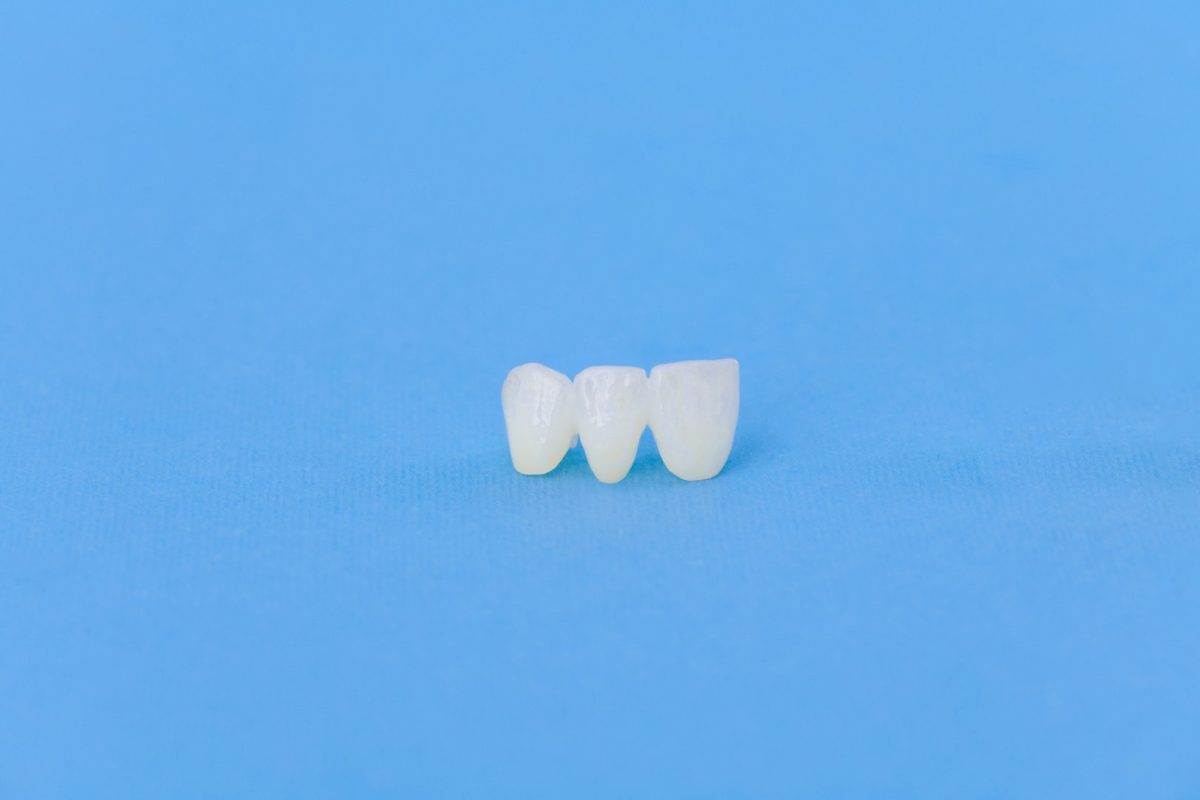
When a tooth becomes weakened due to decay, injury, or wear, a dental crown is often one of the most effective ways to restore it. A dental crown is a custom-made covering that fits over the entire visible portion of a tooth. Designed to mimic the natural look and function of your teeth, crowns are typically crafted from materials like porcelain, ceramic, metal, or a blend of these options.
Crowns are commonly recommended when a tooth is too damaged for a traditional filling to repair. By reinforcing the structure of the tooth, a crown helps preserve what remains while restoring normal use.
Why Dental Crowns Matter
Dental crowns play a vital role in both oral health and overall comfort. One of their primary benefits is protection. A weakened or cracked tooth is at risk of further damage, but a crown acts as a shield, preventing additional wear or breakage.
They also restore function. If you’ve been dealing with discomfort while chewing or sensitivity when eating hot or cold foods, a crown can help eliminate those issues. Once in place, it allows you to bite and chew with confidence again.
Another key advantage is aesthetics. Crowns are usually designed to blend in with your natural teeth, improving the appearance of teeth that are discolored, uneven, or misshapen. This can make a noticeable difference in your smile and boost your confidence.
Finally, crowns support long-term oral health. Addressing tooth damage early can prevent more serious complications, such as infections, tooth loss, or bite misalignment.
When Is a Dental Crown Needed?
A dentist may recommend a crown in several situations, including:
- Repairing a tooth with severe decay or a large cavity
- Restoring a cracked, chipped, or worn-down tooth
- Protecting a tooth after a root canal
- Covering a dental implant or supporting a bridge
- Enhancing the appearance of a tooth that is misshapen or stained
Each case is unique, so a professional evaluation is essential to determine the best approach for treatment.
Choosing a Local Dentist in Litchfield
Finding a dentist nearby can make a significant difference in your overall experience. Convenience matters—not just for your initial visit, but for follow-ups and ongoing care as well.
When selecting a dentist in Litchfield, consider their experience with restorative procedures like crowns as well as their approach to patient care. Reading reviews, asking for recommendations, and scheduling a consultation can help you feel more confident in your decision.
A local dental provider offers the advantage of accessibility and continuity of care, helping you stay consistent with appointments and maintain your oral health over time.
Take the Next Step Toward a Healthier Smile
If you suspect you may need a dental crown, don’t wait to seek care. Early treatment can prevent further damage and help you avoid more complex procedures later on. Reach out to a trusted dentist in Litchfield at our office to explore your options and get started on restoring your smile.
How Often Should I Get a Dental Cleaning? I’m Looking for a Dentist in Litchfield, MN.

Just like you need to get your car maintenanced regularly to keep it in tip-top condition, you also need to get regular dental cleanings to maintain optimal oral health, and even overall health.
Dentists generally recommend patients get dental cleanings (or dental prophylaxis) every six months, but that recommendation may change depending on the patient’s unique needs. Individuals who have experienced problems like gum disease or excessive cavities in the past may need to get their teeth cleaned every three to four months instead.
The best thing you can do to stay on top of your preventive dental care and avoid oral health complications is find a reliable dentist near you, schedule a dental cleaning, and then keep up with the recommended schedule for cleaning visits. When you find a Litchfield dentist that is in a convenient location, you’re more likely to remain consistent with care, which is best for your health.
What to Expect in a Dental Cleaning Visit
Many dental cleanings are also dental exam visits, so you may experience more than just the cleaning during your appointment. Here’s what commonly occurs in dental cleaning visits:
Oral examination: The dentist or dental hygienist will examine your teeth and gums to assess the level of plaque and target buildup and check for signs of other issues like cavities, gum inflammation, or gingivitis.
X-rays: If you’re due for them, your care team may perform dental x-rays to check for problems like hidden tooth decay or bone loss.
Plaque and tartar removal: The dental or dental hygienist uses specialized tools (a hand scaler or ultrasonic scaler, or both) to remove buildup of plaque and tartar (hardened plaque) from your teeth.
Polishing, flossing, and rinsing: An electric tool and special toothpaste will be used to remove surface stains from your teeth and polish them. This cleaning step also includes flossing and rinsing.
Fluoride treatment and sealant: The dentist or dental hygienist next applies a fluoride to your teeth to help prevent future cavities, and they may also apply a dental sealant, if needed.
Final check: The dental professional performing the cleaning will then do a final check to make sure everything in your mouth looks good.
Follow-up appointment: The front-office staff will schedule your next dental cleaning visit. It will be important to come back around that approximate date to keep up with your care.
Schedule a Visit with a Dentist in Litchfield Today
Don’t procrastinate another day—now is the time to reach out to a quality dentist in Litchfield. Our dental care team is ready to help you get your teeth and gums clean and healthy for a long-lasting, beautiful smile. Call today and schedule a dental cleaning visit!
What Are the Signs of Tooth Decay, and Which Dentist Can Help in Litchfield, MN?

Tooth decay can range from an early-stage cavity that only requires quick and minor treatment to heavier decay that requires more extensive dental procedures. In the most extreme cases, tooth decay may even lead to removal and replacement of a tooth.
The good news is you can minimize the level of treatment needed and the cost when you detect tooth decay early. That’s why it’s important to see a dentist in your local area as soon as you notice there’s a problem.
Explore some of the most common signs of tooth decay, as well as tips for seeking immediate care right in your city.
How to Tell You Have Tooth Decay
There are different types of signs to look for when it comes to tooth decay, including the following:
Pains and sensations
- Pain in your teeth
- Tooth sensitivity
- Sore or bleeding gums
Visible signs
- Tooth discoloration
- Holes or deep pits on the tooth’s surface
- Uneven tooth surfaces
Other
- Bad breath and/or a bad taste
- Food regularly getting stuck in your teeth
- Floss regularly getting caught on teeth
Whether you’re experiencing just one of these signs or multiple, the best thing you can do for your oral health is to contact a dentist right away. Ignoring the issue can lead to more serious problems such as oral infections (including abscesses), tooth loss, and gum disease.
Why Having a Local Dentist Helps
When you choose a dental office right in your local area, you’re paving the way for fast, reliable treatment. With a trusted dentist just minutes away, you don’t need to worry about taking too much time off of work for a visit or missing your appointment because of heavy traffic.
That’s why finding the right dentist in Litchfield can make all the difference for your continuity of care. Look for an experienced and reputable dental practice nearby that offers compassionate, judgment-free care.
Get Quick Treatment—Call a Dentist in Litchfield
At our office, we have a trusted Litchfield dentist who can help you find the best treatment options, whether that involves fluoride treatments, fillings, or more comprehensive treatments like crowns or root canals.
The faster you act, the easier it will be to restore your oral health. Give us a call and request an appointment!
Why Are Dental Crowns Important, and Which Dentist Can Treat Me in Litchfield, MN

A dental crown is a restorative device (commonly called a “cap”) that is placed over a decayed, damaged, or weakened tooth. Crowns can be fabricated out of porcelain, resin, metal, or a combination of these materials.
Crowns are essential in both restorative and cosmetic dentistry, allowing you to put a stop to harmful conditions in your teeth and improve the look and feel of your smile.
What Are Dental Crowns Used For?
Dental crowns are often used to:
- Restore cavities that are too large for regular fillings
- Restore a tooth that has extensive decay or damage
- Serve as anchors for dental bridges or covers for implants (supporting artificial teeth)
- Cover and protect a tooth after a root canal
- Improve the appearance of discolored, misshapen, or uneven teeth
An experienced dentist in Litchfield can evaluate your teeth, determine whether you need one or more dental crowns, and provide you with a treatment plan that matches your needs and preferences.
Benefits of Dental Crowns
There are many ways dental crowns can benefit your smile and your oral health, including the following:
- Restoring the structure of your tooth, replacing areas that are damaged
- Putting a stop to decay, potentially preventing more serious issues like infection and tooth loss
- Giving your smile a natural look, since crowns can be fabricated to match the natural color, shape, and texture of your tooth
- Allowing for easier biting, chewing, and speaking
- Giving you renewed confidence in your smile
- Supporting other dental procedures
When you forego a dental crown that is needed, you could be opening yourself up to more dental issues, such as the spread of decay, worsened tooth damage, the loss of a tooth, or an uneven bite that affects the function of your teeth. If something seems wrong with one or more of your teeth, it’s important to consult with a qualified dentist right away.
Looking for a Dentist in Litchfield?
Having a reliable dentist close to home or your place of work makes all the difference for staying on top of your oral health care needs.
At our office, we have an experienced team that can walk you through the process of getting a dental crown, fabricate and place your crown, and provide you with ongoing, patient-centered care. We’re located right in the Litchfield area, so it should be easy for you to swing by and get the care you need.
Schedule a dental crown consultation today and start your journey to a healthier and more stunning smile!
I May Need a Dental Filling, Which Dentist Can Help in Litchfield, MN?
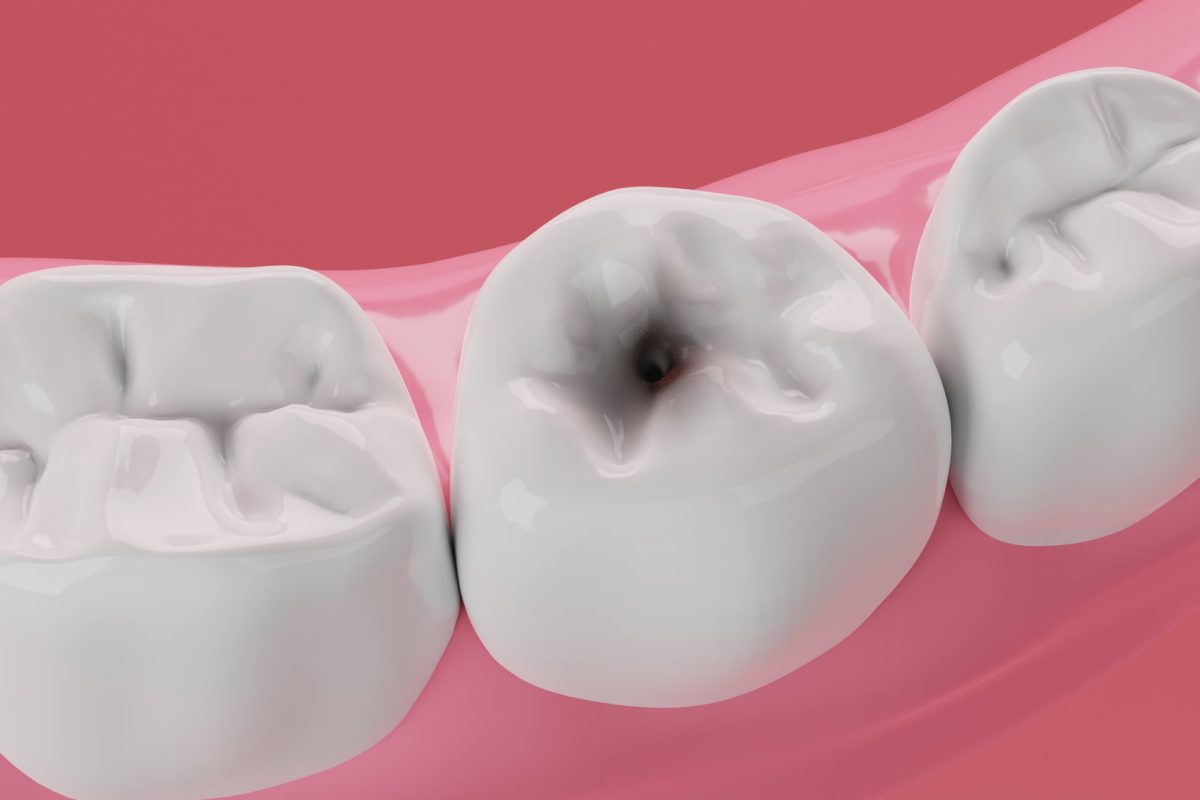
Tooth decay or damage is not only uncomfortable and unbecoming for your smile—it’s also a potential threat to your oral health. When you leave problems like cavities, deep decay, or chipped teeth unaddressed, you risk your dental problem turning into a more serious issue in the future.
That’s why it’s important to move quickly and find a local dentist who can perform a dental filling procedure or any other treatment you may need. Learn some facts about dental fillings and what to look for in a dentist in Litchfield.
What You Need to Know About Dental Fillings
Here are some facts that are important to know when you’re seeking dental filling procedures:
You can choose between different types of filling materials. Amalgam are silver alloy fillings that are especially strong and long-lasting, whereas materials like composite resin and glass ionomer are designed to match the color of your tooth.
Dental fillings are fast procedures. You can usually be out of the dentist’s office in an hour or less when you go for a filling. Some fillings may even take 30 minutes or less.
Your dental filling procedure should not be painful. The dentist numbs the area around your tooth, so the actual procedure should not be painful. However, you may feel some pressure during the procedure, as well as some mild sensitivity afterward.
Dental fillings need to be replaced over time. Dental fillings are not permanent and some types (such as the metal-based fillings) last longer than others. It’s important to pay attention to when your fillings show signs of wear and tear years down the road so they can be repaired or replaced.
Finding the Right Litchfield Dentist: Look for the 4 “C”s
While getting fast treatment is important, finding the *right* dentist is just as critical. When looking for a Litchfield dentist, consider the four “C”s of quality care.
Compassionate care: You should have a compassionate dental care team that prioritizes your comfort along with your health. Look for professionals who make you feel at ease, even in stressful dental situations.
Comprehensive services: Your dentist should be equipped to handle a wide range of dental care needs, from cleanings and fillings to more advanced restorative procedures.
Convenient location: When your dental office is nearby, staying on top of your routine visits and dental treatment plans becomes a lot easier—which is better for your health.
Comfortable office: Getting dental work done can be nerve-racking enough, so it’s helpful to have a dental office with a calm and welcoming atmosphere.
Don’t Wait—Get Quality Care
At our office, you’ll find a skilled Litchfield dentist and a whole team that is dedicated to delivering the best patient care. Don’t delay getting your dental filling—call today to schedule an appointment!
I Think I Have a Cavity, Can I Get Treatment in Litchfield, MN?
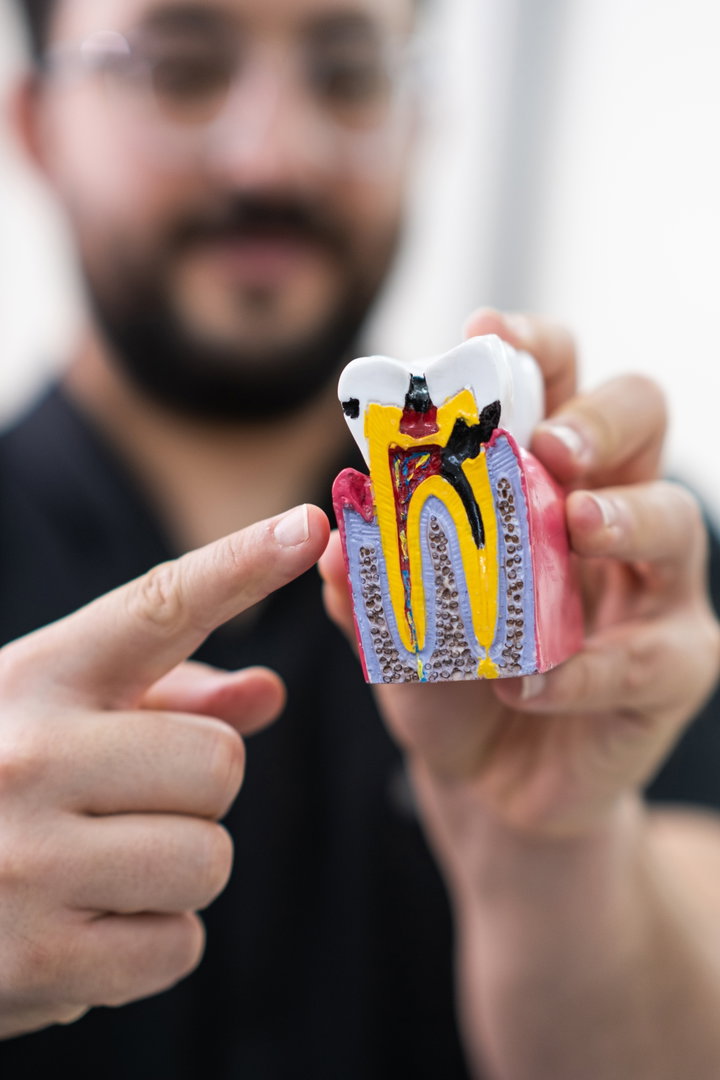
Cavities—which are a form of tooth decay—are extremely common, affecting people of all ages. While they may seem like a minor inconvenience at first, untreated cavities can develop into more serious dental problems that require more complex and expensive care.
Finding a nearby dentist can make all the difference in helping you access the timely care you need. A trusted dentist in Litchfield can evaluate your teeth, help you determine the best course of treatment for your cavities, and assist in protecting your smile.
What Is a Cavity and How Does It Affect Oral Health?
Cavities form when bacteria in the mouth produce acids that wear down tooth enamel. As this outer layer weakens, small openings can form, allowing decay to move deeper into the tooth.
If the damage reaches the inner layers, it can lead to infection or even an abscess (a more advanced, localized infection around the tooth), which may require more invasive treatment. Additionally, untreated cavities can lead to other serious problems like tooth loss and gum disease.
What Are Some Common Cavity Symptoms?
Because cavities don’t always cause immediate pain, they can be easy to overlook. Early warning signs of tooth decay may include:
- Discoloration on the tooth (dark spots or chalky white spots)
- Visible holes in the tooth
- Lingering bad breath
- A metallic taste
- Sensitivity to food or drinks that are hot, cold, sweet, or acidic
Some people also notice subtle changes in how they chew where they avoid one side of the mouth without realizing it.
How Do Dentists Treat Cavities?
Treatment depends on how far the decay has progressed. In its earliest stages, fluoride treatments may help strengthen enamel and slow the damage. More commonly, dentists use dental fillings to restore the affected area.
For larger areas of decay, a crown may be placed to protect the remaining tooth structure. In severe cases where infection has developed, procedures like root canals or tooth extractions may be necessary.
Early Intervention Is Key—Find a Litchfield Dentist Today
The key to avoiding more invasive care is early intervention. Seeing a local dentist as soon as something feels off can help stop decay before it worsens. Choosing a nearby provider also makes it easier to stay consistent with appointments and follow-up care.
When you find the right dentist in Litchfield, you can:
- Access dental care close to where you live or work
- More easily find appointment times that work with your schedule
- Make follow-up care less of a hassle
- Set yourself up for success in your oral health journey
If you think you might have a cavity, don’t wait for symptoms to escalate. Scheduling an exam promptly can help preserve your tooth and prevent more complicated issues down the line. Call our local dental office today for a consultation!

6 Month Smiles
Six Month Smiles is a short term orthodontic treatment that involves wearing clear braces to straighten and improve tooth alignment. This alternative treatment is a convenient approach to a straighter smile without the time commitment.
Learn more